Understanding Soil Health for Urban Gardening
Soil health is a critical factor in urban gardening, particularly in environments where space is limited. Gaining insights into the composition and quality of soil can lead to better yields and healthier plants. This article aims to provide practical information regarding soil health, emphasizing its importance, components, and methods for improvement.
Understanding the Basics of Soil Health
Soil health is typically defined by its ability to sustain plant growth, support ecosystems, and contribute to water quality. According to the USDA Natural Resources Conservation Service, healthy soil contains a diverse array of microorganisms that contribute to nutrient cycling and plant health.

Experts recommend assessing soil health through a combination of physical, chemical, and biological indicators. These include soil texture, organic matter content, pH, nutrient levels, and microbial activity. For urban gardeners, understanding these factors can lead to more effective gardening practices and improved plant performance.
"Healthy soil is the foundation for a successful garden. It provides essential nutrients, retains moisture, and fosters a diverse ecosystem." - Soil Health Institute
Key Components of Soil Health
- Soil Texture: The relative proportions of sand, silt, and clay particles determine how well soil drains and retains moisture. A balanced texture is beneficial for urban gardening.
- Organic Matter: Incorporating compost or well-rotted manure can enhance soil structure and nutrient availability. Studies show that increasing organic matter can improve soil fertility and resilience.
- Soil pH: A pH level between 6.0 and 7.0 is typically ideal for most plants. Testing kits are widely available to determine soil pH and guide amendments.
Improving Soil Health in Urban Settings
Improving soil health often involves a series of strategic steps:
- Test Your Soil: Start by conducting a soil test to analyze nutrient levels and pH. This process typically takes 1-2 weeks and provides a baseline for improvements.
- Add Organic Matter: Based on test results, incorporate organic materials like compost, which can enhance microbial activity and nutrient availability. Many gardeners report noticeable improvements in plant health after adding organic matter.
- Practice Crop Rotation: Alternating crops in your gardening space helps prevent nutrient depletion and disrupts pest cycles. This method requires planning but is effective for maintaining soil vitality.
Challenges in Urban Gardening
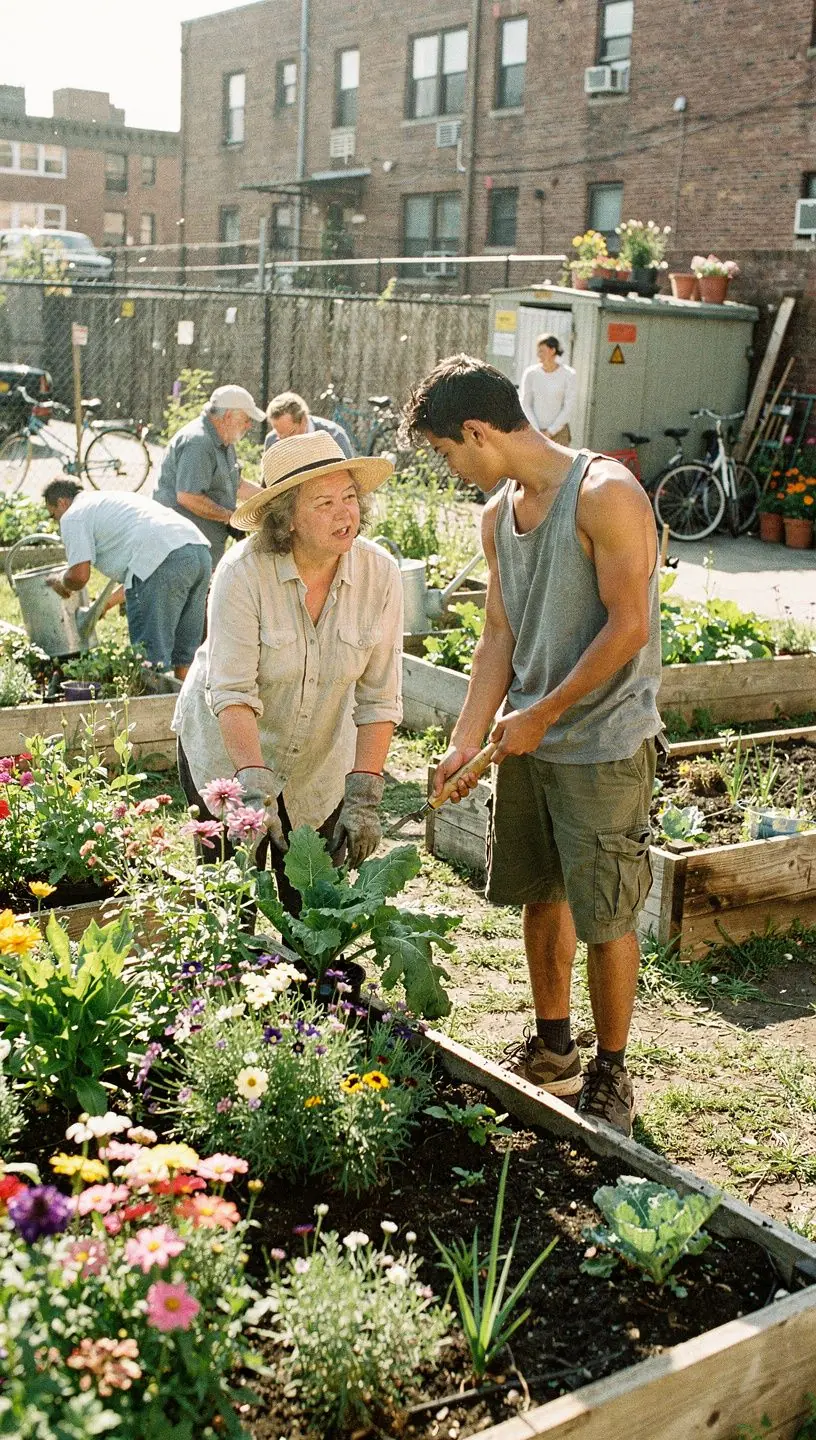
While improving soil health can lead to better gardening outcomes, certain challenges persist. Urban soil may be compacted or contaminated due to historical land use. Implementing raised beds or container gardens can mitigate these issues, allowing for better control over soil quality.
Additionally, urban gardeners should be aware of time commitments. Developing a healthy soil ecosystem may take several months of consistent effort, including regular testing and amendments. In most cases, dedication to these practices yields long-term benefits for plant health and yield.
Conclusion
Understanding and improving soil health is essential for successful urban gardening. By focusing on soil composition and health, urban gardeners can create a thriving environment for their plants. Remember, the journey toward healthy soil is ongoing and requires consistent attention and adjustment. With the right knowledge and practices, you can enhance your gardening experience and ensure productive plant growth.
Learn More