Practical Guide to Balcony Garden Design
Creating a balcony garden can enhance your living space while promoting a connection with nature. This guide explores practical steps to design a successful balcony garden, highlighting essential considerations and actionable tips.
Understanding the Basics of Balcony Gardening
Balcony gardening has gained popularity as a practical solution for urban dwellers looking to cultivate plants in limited spaces. According to urban gardening experts, understanding microclimates, plant selection, and structural limitations is vital for success. Typically, a balcony receives varying amounts of sunlight throughout the day, influencing what can be planted.
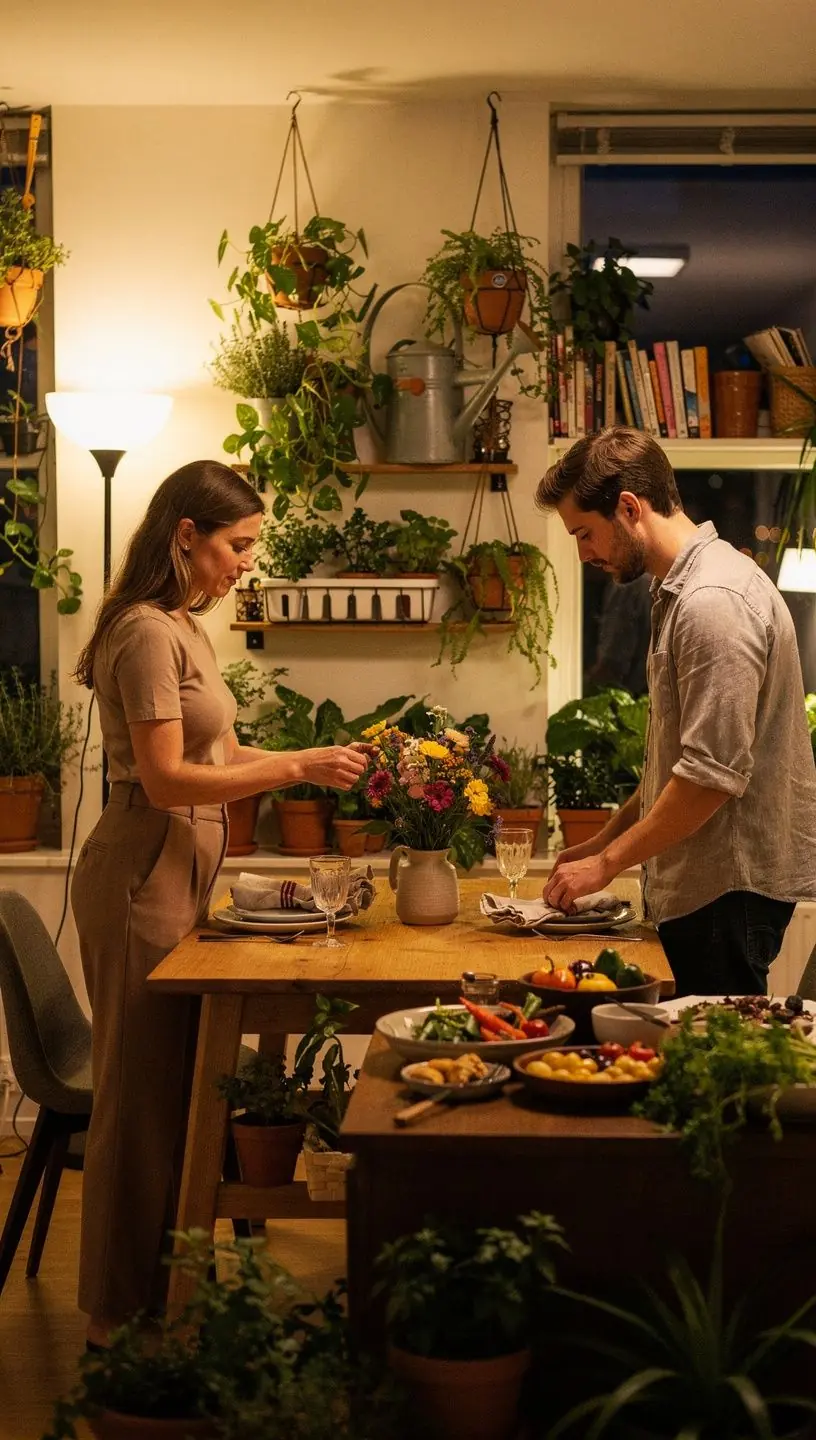
"According to research, incorporating plants into urban environments can improve overall well-being and reduce stress." - Urban Ecology Institute
Key Considerations for Balcony Garden Design
- Assess Your Space: Measure the dimensions of your balcony and evaluate its sun exposure. This assessment helps determine the types of plants that will thrive.
- Weight Limitations: Most balconies have a specific weight limit. It's important to consider the weight of soil, pots, and plants to ensure safety and compliance with building regulations.
- Choose Appropriate Plants: Select plants that are suitable for your specific climate and conditions. Many experts recommend considering herbs, succulents, and vegetables, which can often thrive in smaller spaces.
Designing Your Balcony Garden
Once you've assessed your space and selected suitable plants, the next step involves designing the layout of your garden. Here are some suggestions to enhance your balcony garden:
- Vertical Gardening: Utilize vertical space by installing wall planters or shelves. This approach not only maximizes space but also creates a visually appealing layout.
- Container Gardening: Use pots and containers for easy mobility and a minimalist aesthetic. Studies show that container gardening can provide better drainage and allow for easier control over soil quality.
- Include Seating: If space permits, consider incorporating a small seating area. This creates a relaxing environment where you can enjoy your garden and offers a great way to unwind.
Maintenance and Care
Maintaining a balcony garden requires regular care and attention. Many users report that establishing a consistent watering schedule is crucial, particularly during hot months when plants are more likely to dry out. A general rule of thumb is to check the soil moisture daily and water as needed.
Additionally, regular pruning and deadheading can promote healthy growth and improve the overall appearance of your plants. According to gardening professionals, a commitment to ongoing care can significantly enhance productivity and vitality in your garden.
Conclusion
Designing a balcony garden can be a rewarding endeavor that enhances your living space and contributes to urban biodiversity. While this process typically requires effort and planning, the benefits—such as fresh herbs, improved aesthetics, and relaxation—are often worth it. By following these guidelines and taking the time to plan and maintain your garden, you can create a lush, vibrant balcony that reflects your personal style.
Learn More