Exploring Vertical Gardening Techniques
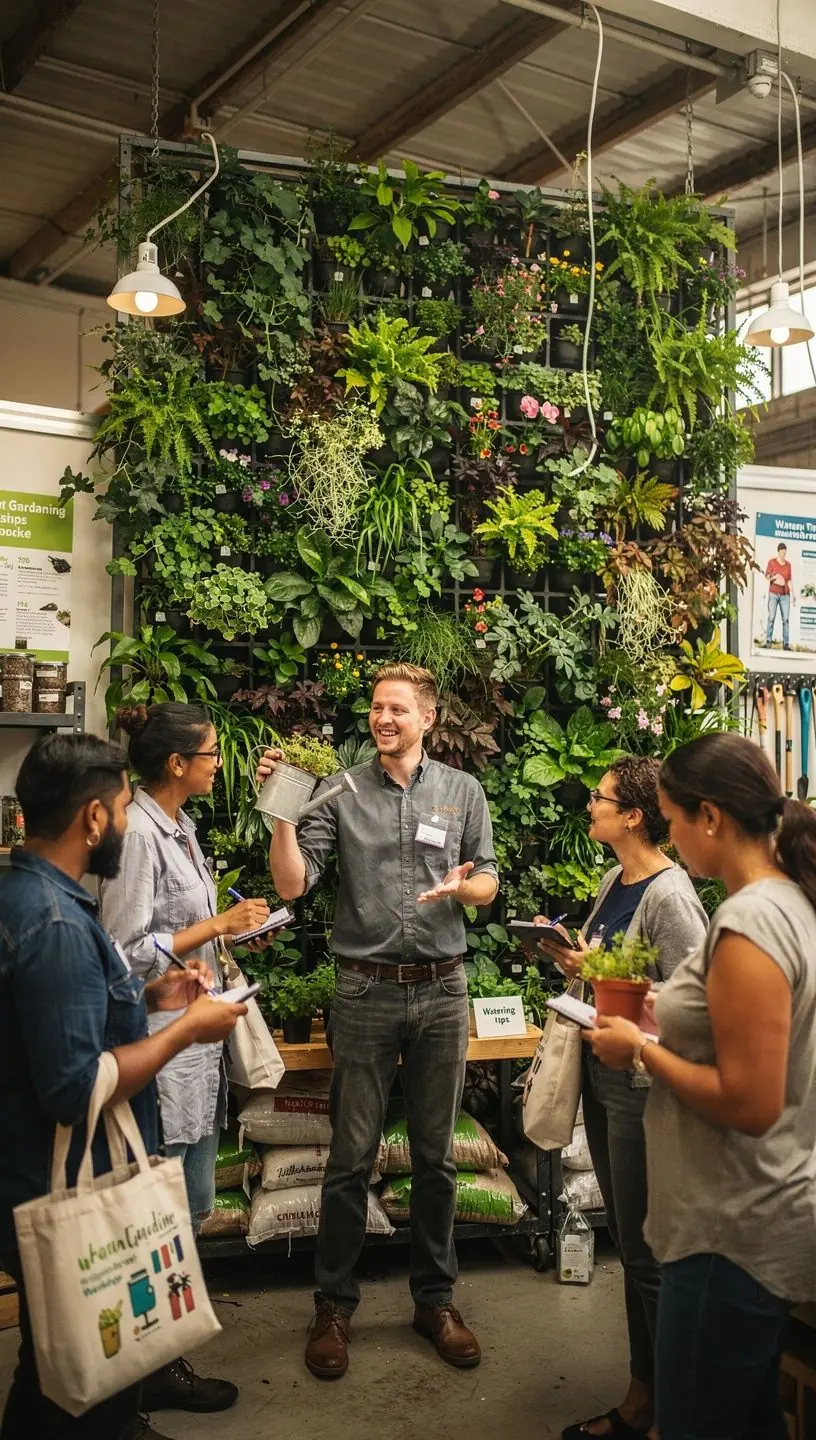
Vertical gardening offers an innovative way to maximize limited space, particularly in urban areas. This article delves into various vertical gardening techniques, their benefits, and practical tips for setting up your own vertical garden.
Understanding the Basics
Vertical gardening is a method that involves growing plants upward rather than outward. This technique can effectively utilize wall space, making it ideal for small balconies or indoor areas. According to research, vertical gardens can lead to a 20-30% increase in plant yield compared to traditional gardening methods, as they allow for better air circulation and sunlight exposure.

"Vertical gardening not only conserves space but also enhances the aesthetic appeal of urban environments." - Urban Gardening Expert
Benefits of Vertical Gardening
Many users report several advantages to implementing vertical gardening techniques, such as:
- Space Efficiency: Vertical gardens can be set up on walls, fences, or specialized structures, making them suitable for even the tiniest balconies.
- Improved Air Quality: Research indicates that vertical gardens can contribute to cleaner air by reducing pollutants and increasing humidity levels.
- Aesthetics: Incorporating greenery into vertical spaces can significantly beautify both indoor and outdoor areas, providing a refreshing atmosphere.
Practical Application
To successfully establish a vertical garden, consider the following steps:
- Choose the Right Structure: Select a frame or system that suits your space and gardening style. Options range from trellises to wall-mounted planters.
- Select Appropriate Plants: Experts suggest choosing plants that thrive vertically, such as herbs, strawberries, or climbing vines. These plants typically require less space and can adapt well to vertical growth.
- Implement a Watering System: Depending on your garden's size, consider using a drip irrigation system. This approach may improve water efficiency, ensuring plants receive adequate moisture without excessive waste.
Challenges and Limitations
While vertical gardening can be rewarding, it is important to acknowledge certain challenges:
- Time Commitment: Establishing a vertical garden typically takes 2-4 weeks, depending on plant growth rates and your gardening methods.
- Maintenance Needs: Vertical gardens require regular upkeep, including watering, pruning, and monitoring for pests.
- Space Limitations: Not all plants are suitable for vertical gardening; some may require more space than a vertical setup can provide.
Conclusion
Vertical gardening offers an effective solution for urban dwellers looking to maximize their gardening space while enhancing their living environment. By following the techniques outlined above, you can create a thriving vertical garden that meets your aesthetic and functional needs. Remember, successful gardening often involves trial and error, so be prepared to experiment and adapt your approach as necessary.