The Role of Light in Indoor Plant Growth
Indoor gardening has gained popularity, especially in urban areas like Latvia, where space is often limited. Understanding the importance of light in plant growth is crucial for achieving a flourishing indoor garden.
Understanding the Basics
Light is one of the most vital factors affecting indoor plant growth. According to research, plants use light for photosynthesis, a process essential for converting light energy into chemical energy. This energy fuels the growth of plants, allowing them to thrive.
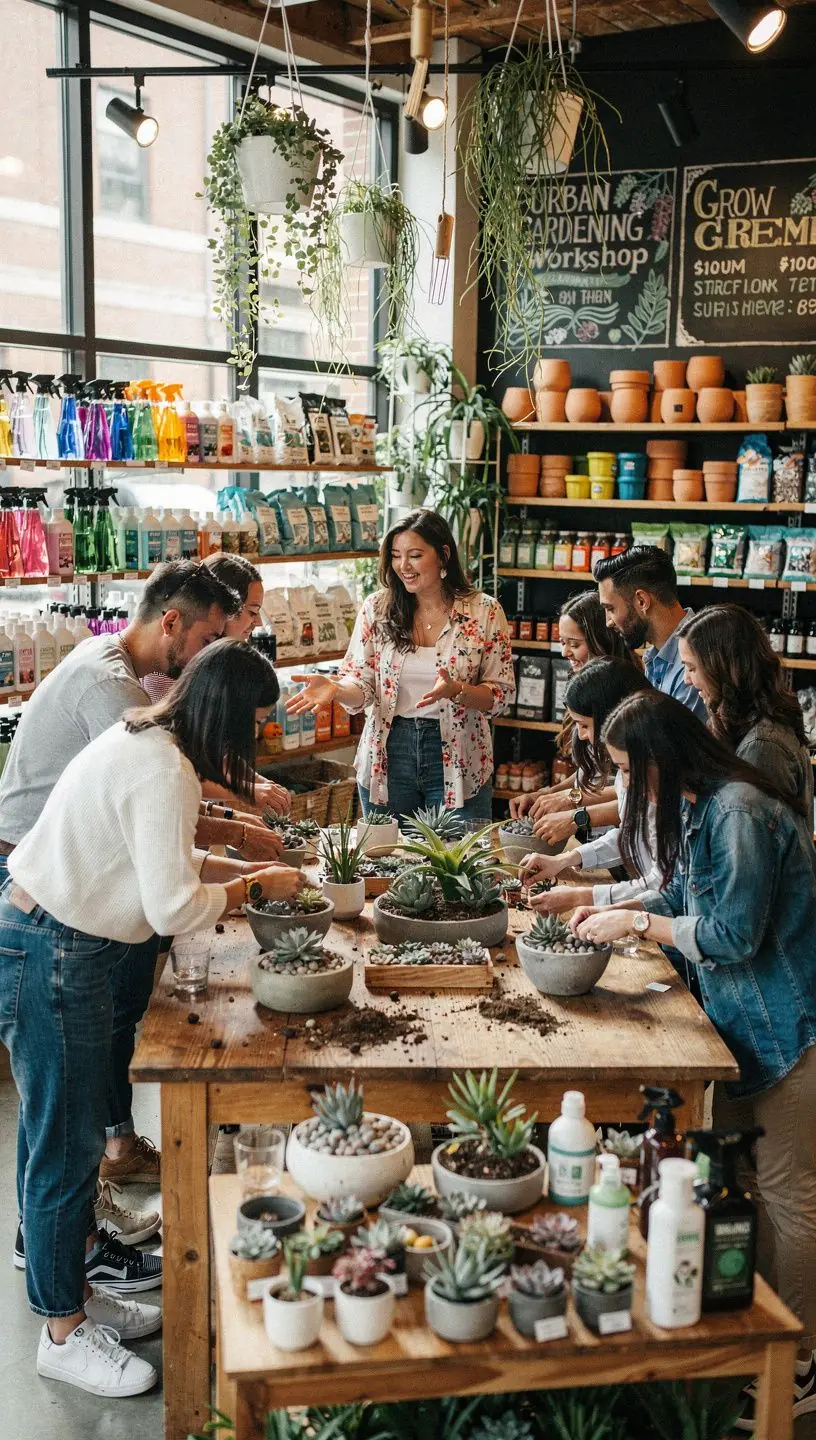
In general, plants require different light intensities depending on their species. For instance, low-light plants such as snake plants and pothos typically thrive in indirect light, while high-light plants, like succulents and cacti, often need direct sunlight for optimal growth.
"The right amount of light can significantly enhance plant growth and health, according to industry experts."
Types of Light for Indoor Plants
When setting up your indoor garden, it's essential to consider the types of light available:
- Natural Light: Typically preferred by many plants, natural light can be enhanced by placing them near windows. However, the intensity of sunlight varies throughout the day and season.
- Artificial Light: In cases where natural light is insufficient, artificial grow lights can be an effective solution. These lights replicate the spectrum of sunlight and can be adjusted for intensity.
- Light Duration: Most indoor plants benefit from 12-16 hours of light daily. However, some low-light plants may thrive on less, making it essential to know the specific needs of your plants.
How to Provide Adequate Light
To ensure your plants receive the appropriate amount of light, consider the following steps:
- Assess Light Levels: Use a light meter or observe the light in your space to determine the best locations for your plants.
- Rotate Plants: Regularly rotating plants can help them receive even light exposure, preventing them from leaning towards a light source.
- Utilize Reflective Surfaces: Placing plants near reflective surfaces can help maximize light exposure, as these surfaces can bounce light onto your plants.
Acknowledging Limitations
It's important to note that while managing light is vital, it does not guarantee growth. Factors such as humidity, temperature, and watering can also influence plant health. Additionally, adjusting to new light conditions may take time, and results typically appear within a few weeks of changes in the light regimen.
Moreover, not all light sources are created equal. For example, traditional incandescent bulbs may not provide the full spectrum needed for plant growth, making them less effective.
Conclusion
Understanding the role of light in indoor plant growth can significantly impact the success of your indoor gardening efforts. By recognizing the different types of light and how to provide adequate exposure, you can create a thriving indoor garden. Remember, effective plant care involves a holistic approach, combining light management with other essential factors for optimal growth.
By taking these insights into account, you can cultivate a healthier indoor garden, even in limited urban spaces.
Learn More