Designing a Low-Maintenance Balcony Garden
Creating a balcony garden can be a rewarding experience, especially in urban settings. However, many individuals shy away from gardening due to perceived maintenance challenges. In this article, we will explore effective strategies for designing a low-maintenance balcony garden that can thrive in Latvia's unique climate.
Understanding the Basics of Low-Maintenance Gardening
Low-maintenance gardening typically involves choosing plants that are resilient and require less frequent care. According to industry experts, selecting the right plants is crucial, as native species often have an inherent advantage in local conditions. For instance, many users report success with perennials and drought-resistant plants, which can adapt well to varying weather.
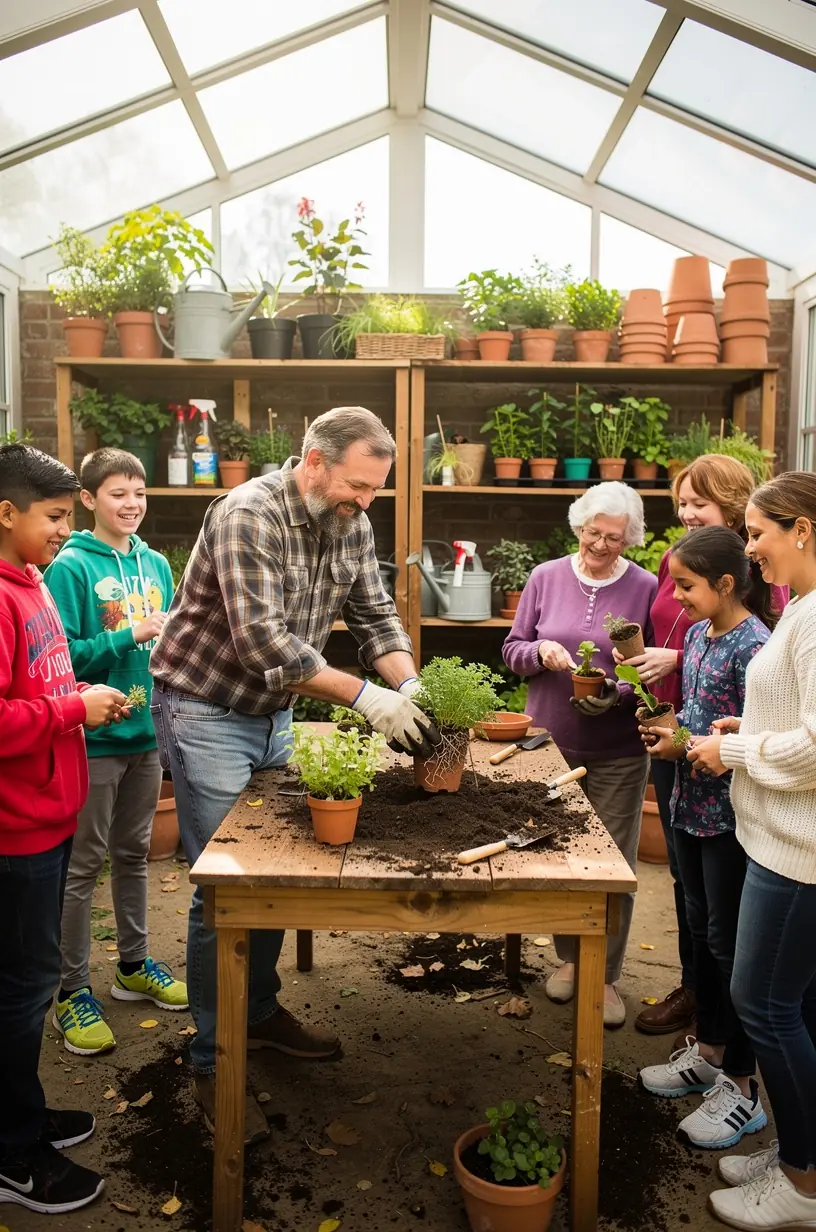
"Choosing native and hardy plants can significantly reduce the amount of maintenance required for your garden." - Local Gardening Expert
Choosing the Right Plants
When designing a low-maintenance balcony garden, consider the following plant types:
- Perennials: These plants return year after year, reducing the need for replanting.
- Drought-Resistant Varieties: Plants such as succulents and certain herbs can thrive with minimal water, making them ideal for busy urban gardeners.
- Container Gardening: Utilizing pots allows for easy mobility and customization of your garden design.
Studies show that utilizing a mix of these plant types can create a visually appealing garden while minimizing upkeep.
Garden Layout and Design Principles
The principle behind a low-maintenance garden design is to create an efficient layout that promotes healthy plant growth with minimal effort. Here are some practical steps:
- Plan for Sunlight: Observe how sunlight reaches your balcony throughout the day. Most plants typically require 6-8 hours of sunlight for optimal growth.
- Group Plants by Watering Needs: This helps streamline the watering process and ensures that each plant receives the right amount of moisture without over- or under-watering.
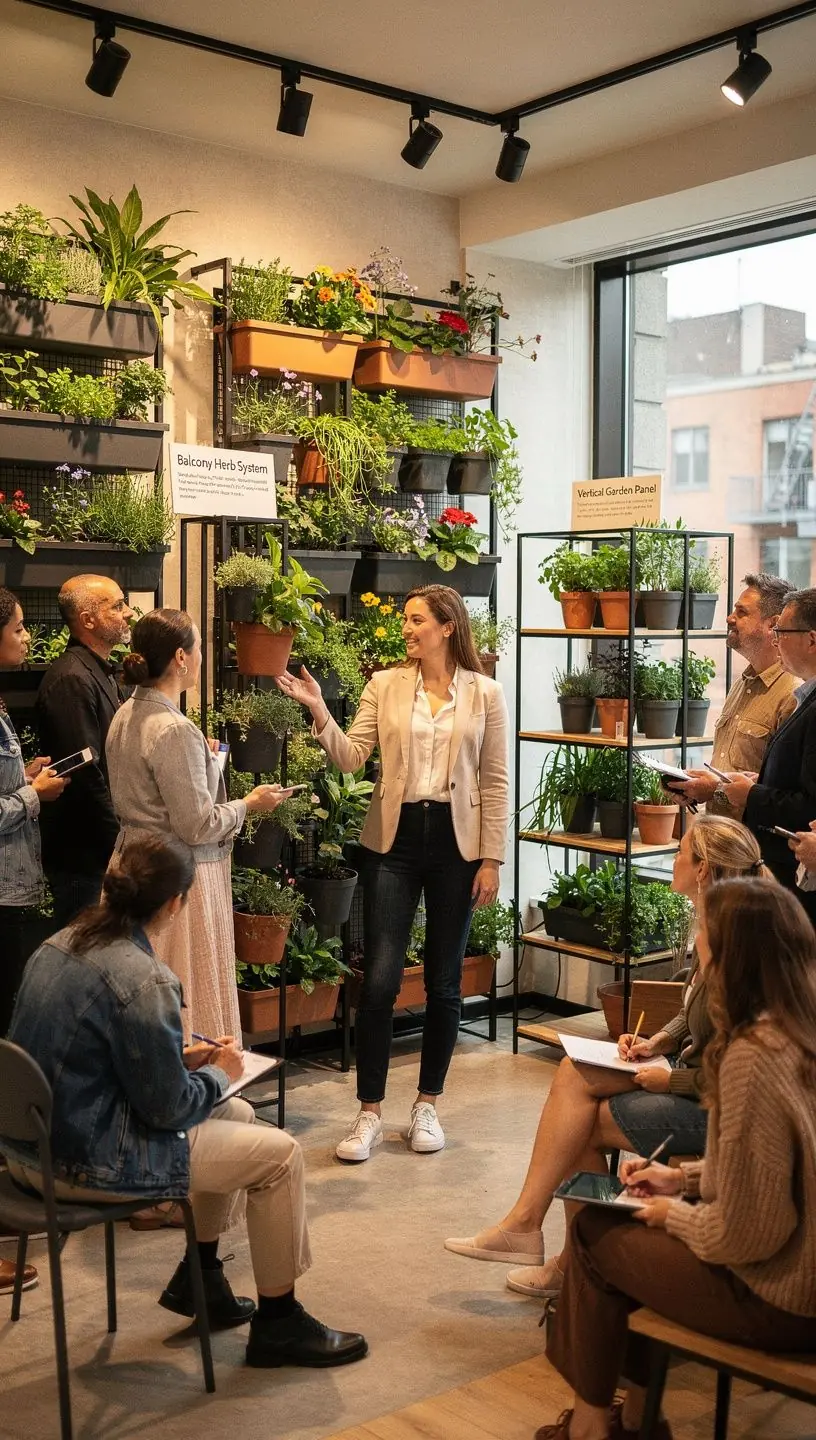
- Utilize Vertical Space: Incorporating vertical gardening techniques, such as trellises or wall-mounted planters, can free up floor space and create a lush environment.
Maintenance Tips for Success
While low-maintenance gardens are designed to reduce effort, some basic care is still necessary:
- Regular Watering: In most cases, a weekly watering schedule is effective, but adjustments may be necessary during particularly hot or dry spells.
- Periodic Pruning: Maintaining healthy growth can involve light pruning of dead or overgrown plants, which is typically a quick task.
- Fertilization: Experts recommend using slow-release fertilizers seasonally to provide essential nutrients without the need for frequent applications.
Conclusion
Designing a low-maintenance balcony garden is not only achievable but can also bring joy and beauty to your urban living space. By selecting the right plants and implementing effective design strategies, you can cultivate a garden that flourishes with minimal effort. Remember that it may take time to establish your garden, and results typically become visible within a few months as your plants adapt and grow. Embrace the process, and soon you'll reap the rewards of your urban gardening efforts!
Learn More