How to Implement Crop Rotation in Urban Spaces
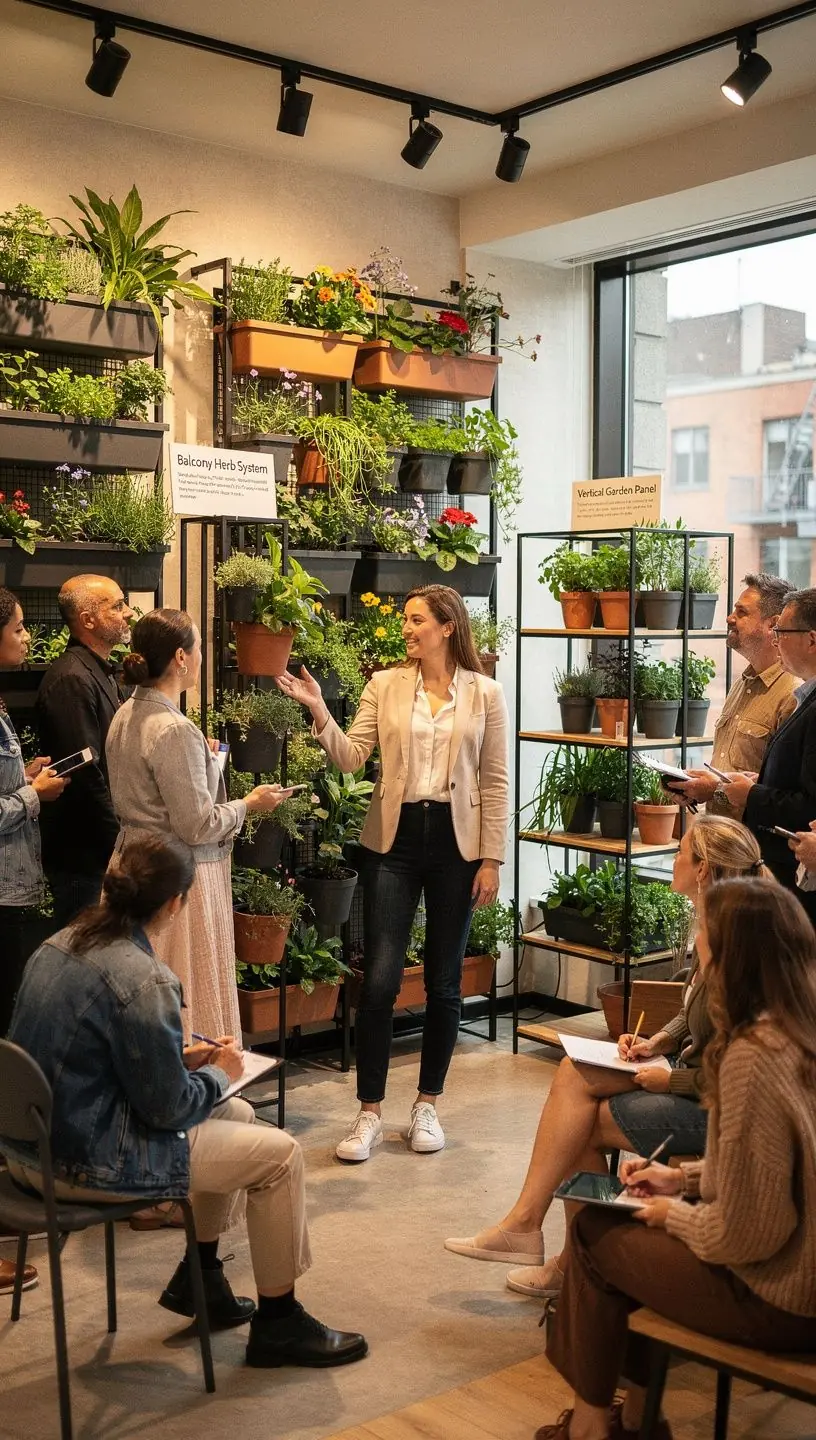
Crop rotation is a vital practice in agriculture, and it can be effectively adapted to urban gardening. This article explores how to implement crop rotation even in limited spaces like balconies and small gardens, ensuring sustainable and healthy plant growth.
Understanding the Basics
Crop rotation involves changing the type of crops grown in a specific area over time. According to agricultural research, this method can help prevent soil depletion, reduce pest and disease problems, and enhance soil fertility. Many urban gardeners find that practicing crop rotation leads to healthier plants and higher yields.

"Studies show that rotating crops can increase soil nutrients and reduce the need for chemical fertilizers." – Urban Agriculture Expert
Why Crop Rotation Matters in Urban Gardening
In urban spaces, where soil health is often compromised due to pollution or poor quality, crop rotation plays an essential role. The principle behind this practice is that different plants have varying nutrient requirements and pest vulnerabilities. By rotating crops, you can:
- Enhance Soil Health: Different crops contribute diverse nutrients to the soil, improving its structure and fertility.
- Control Pests and Diseases: Changing crops disrupts the lifecycle of pests, reducing their population in your garden.
- Decrease Weeds: Some crops grow more densely than others, which can help suppress weed growth.
How to Implement Crop Rotation
Implementing crop rotation in your urban garden can be done in a few simple steps. Here’s a practical approach:
- Plan Your Garden Layout: Identify the different areas of your garden or pots where you will plant different crops.
- Select Your Crops: Choose a variety of plants that belong to different families, as they typically have different nutrient needs. For example, you might plant legumes one season, followed by leafy greens, and then root vegetables.
- Maintain Records: Keep a gardening journal to track what you planted and when. This helps in planning for future rotations and assessing what works best in your space.
- Rotate Annually: Aim to rotate your crops each growing season. For example, if you plant tomatoes in one pot this year, consider planting beans in that same pot next year.
Challenges and Considerations
It’s important to acknowledge that crop rotation in urban settings can come with challenges. Limited space may restrict the number of different crops you can grow, and it may take time for plants to recover from nutrient depletion. Additionally, establishing a routine for crop rotation typically requires some planning and dedication.
"Urban gardeners often report that integrating crop rotation has significantly improved their gardening success." – Gardening Community Feedback
Conclusion
Implementing crop rotation in urban gardening can lead to healthier plants and a more sustainable gardening experience. While it may require some effort and planning, the benefits of enhanced soil health and reduced pest issues can be significant. With thoughtful implementation, even small urban gardens can thrive through effective crop rotation practices.