Exploring Edible Plants for Small Gardens
Urban gardening has gained popularity in recent years, especially in cities where space is limited. Growing edible plants in small gardens is not just a trend; it can also be a fulfilling and sustainable practice. This article explores various edible plants suitable for small gardens, delving into their benefits and care requirements.
Understanding the Basics of Edible Gardening
According to research conducted by the University of Georgia, urban gardening can significantly contribute to food security while enhancing the aesthetic value of living spaces. Many urban gardeners report that edible plants not only provide fresh produce but also improve mental well-being.
"Growing your own food can lead to healthier eating habits and a greater appreciation for nature." - Urban Gardening Expert
Choosing the Right Edible Plants
When selecting plants for a small garden, it's important to choose varieties that thrive in limited spaces and can adapt well to the local climate in Latvia (LV). Here are some popular options:
- Herbs: Basil, parsley, and mint are excellent choices. They can be grown in pots or window boxes and often require minimal space.
- Leafy Greens: Spinach and lettuce grow quickly and can be harvested multiple times. These plants are typically suitable for containers and can thrive indoors as well.
- Cherry Tomatoes: These compact plants can produce a significant yield in small spaces, often flourishing in pots.
- Radishes: Fast-growing and easy to care for, radishes can be harvested within 3-4 weeks of planting.
Practical Tips for Successful Edible Gardening
Establishing a thriving edible garden requires some effort and planning. Here are practical tips to help you succeed:
- Sunlight: Most edible plants require at least 6 hours of sunlight a day. Assess your space to determine the best locations for your plants.
- Soil Quality: Using high-quality potting soil can enhance plant growth. Many experts recommend adding organic compost to improve nutrient content.
- Watering: Regular, consistent watering is crucial. In most cases, it’s best to water in the morning to prevent disease.
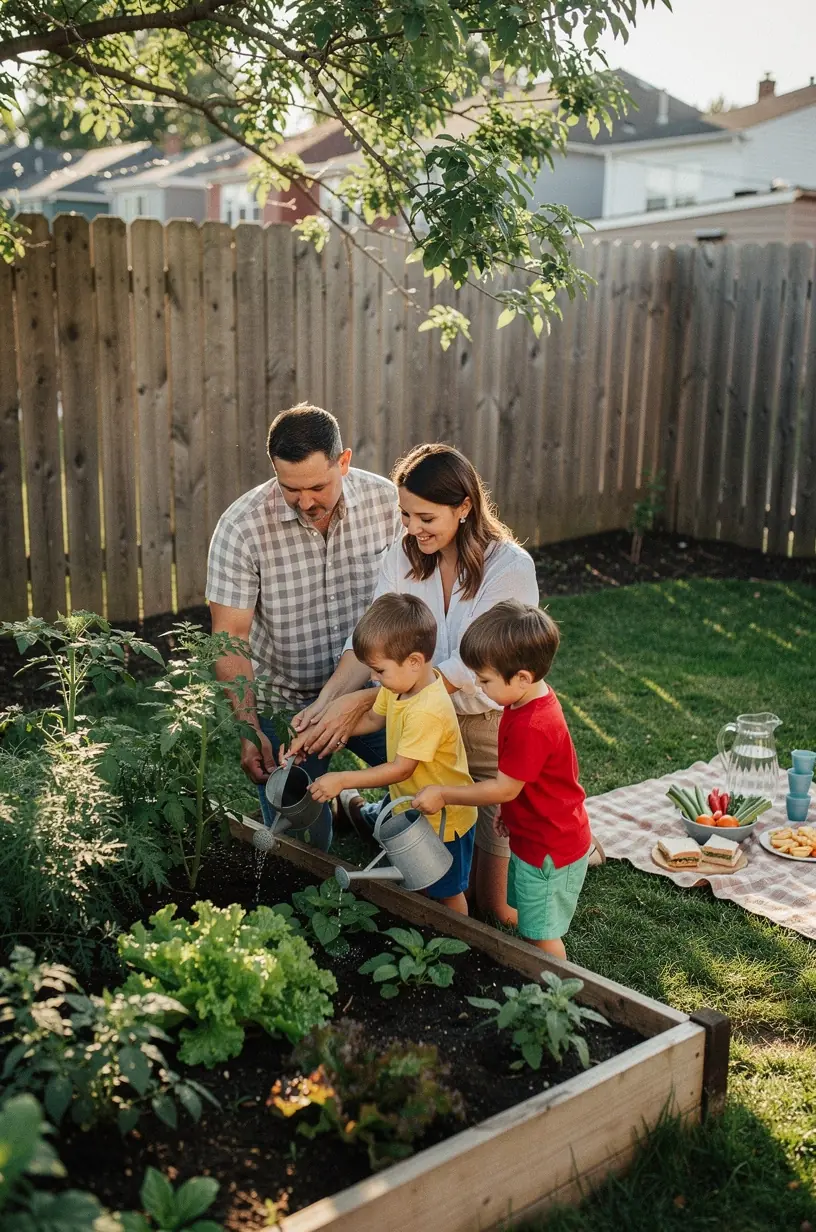
- Space Management: Vertical gardening techniques, such as trellises for climbing plants, can maximize limited space effectively.
Acknowledging Limitations and Challenges
While growing edible plants can be rewarding, it’s essential to acknowledge some challenges. Urban gardening typically requires time and dedication. On average, it may take 2-4 weeks for seeds to germinate and start showing growth. Additionally, some plants may require specific conditions that need prior knowledge to achieve optimal results.
"Urban gardening may not be ideal in spaces with limited light exposure or extreme weather conditions." - Gardening Consultant
Conclusion
Edible gardening in small spaces offers numerous benefits, including access to fresh produce and improved mental well-being. By selecting the right plants and following practical gardening tips, enthusiasts can create productive urban gardens. Remember, patience and care are key to cultivating a successful small garden, and results typically appear within a few months of dedicated effort. Whether you’re a seasoned gardener or just starting, exploring edible plants can be a fulfilling journey towards sustainability.
Learn More