The Importance of Urban Gardening for Biodiversity
Urban gardening is increasingly recognized as a crucial practice for enhancing biodiversity in densely populated areas. This article explores how urban gardening can contribute to ecological balance and support local ecosystems, while also providing practical insights for those looking to start their own urban gardening projects.
Understanding Urban Gardening
Urban gardening typically involves cultivating plants in urban environments, which often includes small-scale gardens, balcony setups, and indoor gardening. According to research published by the University of California, urban gardens can significantly increase local biodiversity by providing habitats for various species, including pollinators and beneficial insects.
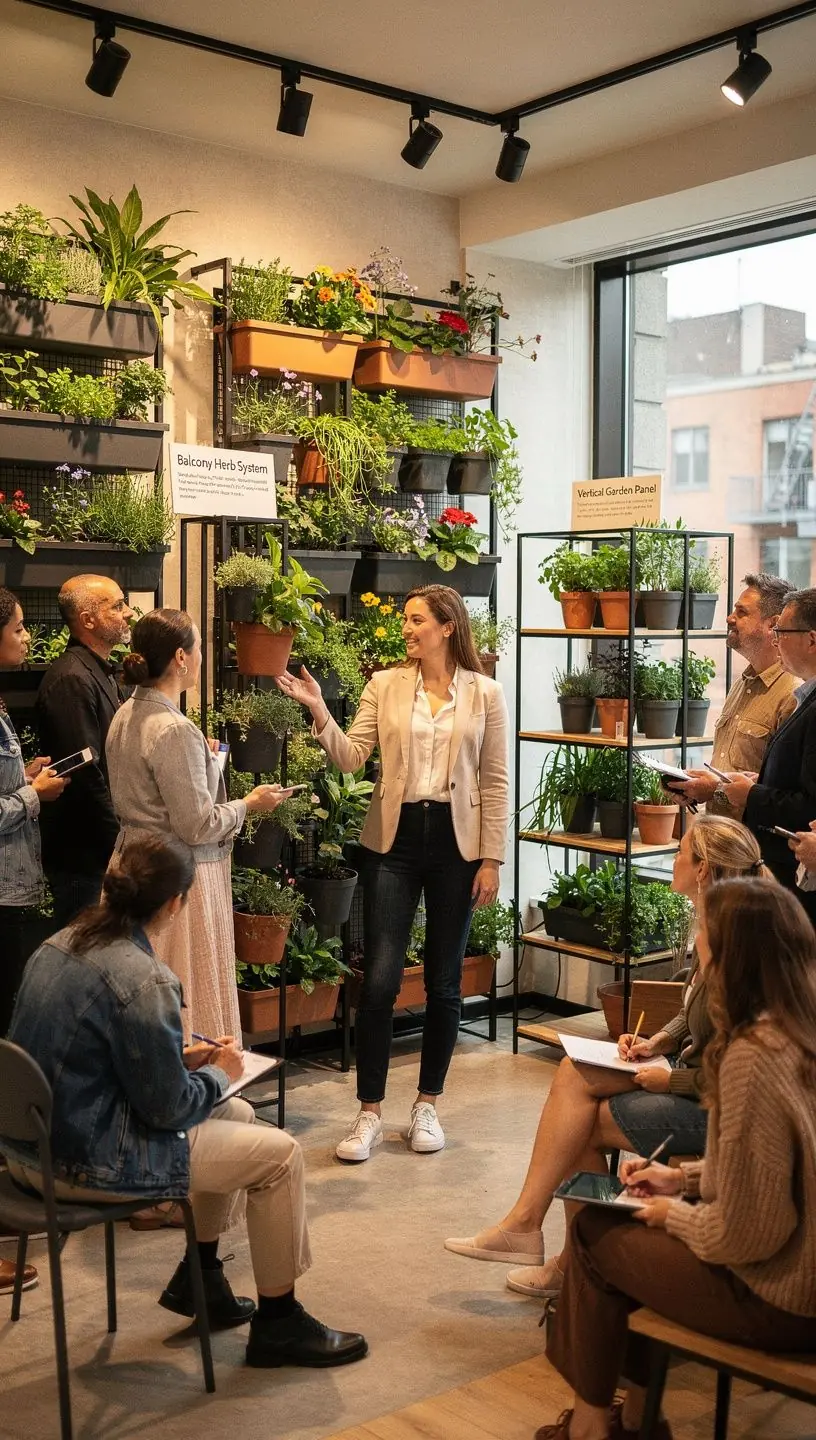
"Urban gardens can serve as critical habitats for wildlife, bridging the gap between natural ecosystems and urban landscapes." - Urban Ecology Study
The Role of Biodiversity in Urban Areas
Biodiversity in urban settings contributes to ecological resilience. Studies have shown that diverse plant life can help mitigate climate change effects by absorbing carbon dioxide and improving air quality. Furthermore, urban gardens often serve as important sites for local flora and fauna, creating a network that supports animal migration and reproduction.
Key Benefits of Urban Gardening for Biodiversity
- Habitat Creation: Urban gardens provide essential habitats for various species, enhancing local biodiversity.
- Pollinator Support: Many urban gardens attract pollinators like bees and butterflies, which are vital for food production and ecosystem health. According to experts, gardens rich in diverse flowering plants can increase pollinator populations significantly.
- Soil Health Improvement: The practice of urban gardening promotes healthy soil through composting and organic farming practices, which supports a variety of microbial life. This not only benefits plant growth but also contributes to overall ecosystem health.
Getting Started with Urban Gardening
Starting an urban garden can be a rewarding endeavor, but it does require some planning and effort. Here’s a step-by-step approach to help you get started:
- Assess Your Space: Determine the size and conditions of your available space, whether it’s a balcony, rooftop, or indoor area. This helps in selecting the right plants for your environment.
- Choose Appropriate Plants: Research native plants that thrive in your region. Many sources recommend selecting plants that are well-suited to local climate conditions, as they typically require less maintenance and provide better support for local wildlife.
- Implement Sustainable Practices: Consider composting, using organic fertilizers, and practicing water conservation techniques. Research indicates that sustainable methods not only yield better results but also have a lower environmental impact.
Challenges and Limitations
While urban gardening is beneficial for biodiversity, it is important to acknowledge some challenges. Urban spaces often face limitations such as pollution, soil contamination, and limited sunlight. Moreover, growing plants in containers may require more frequent watering and careful selection of compatible species. Thus, successful urban gardening often involves a learning curve and a commitment of time and effort.
Conclusion
In conclusion, urban gardening plays a vital role in promoting biodiversity in cities. By creating green spaces, supporting local wildlife, and improving air quality, urban gardens can contribute significantly to ecological health. With careful planning and dedication, anyone can start their own garden to help foster a more sustainable and biodiverse urban environment.