Choosing the Right Containers for Your Plants
Selecting the right containers for your plants is an essential aspect of urban gardening that can significantly influence their growth and health. Understanding the different types of containers and their characteristics can help create a thriving indoor or balcony garden.
Understanding the Basics
When it comes to container gardening, the choice of container can impact drainage, root development, and overall plant health. Experts recommend considering the material, size, and drainage capabilities when selecting containers. According to research conducted by the American Society for Horticultural Science, proper container choice can lead to healthier plants and a better yield.
"The right container can improve plant growth and prevent root rot, making it a critical factor in successful gardening."
Types of Containers
There are various types of containers available, each with distinct advantages:
- Plastic Containers: Lightweight and often less expensive, these containers are durable and retain moisture well. However, they may not provide adequate aeration.
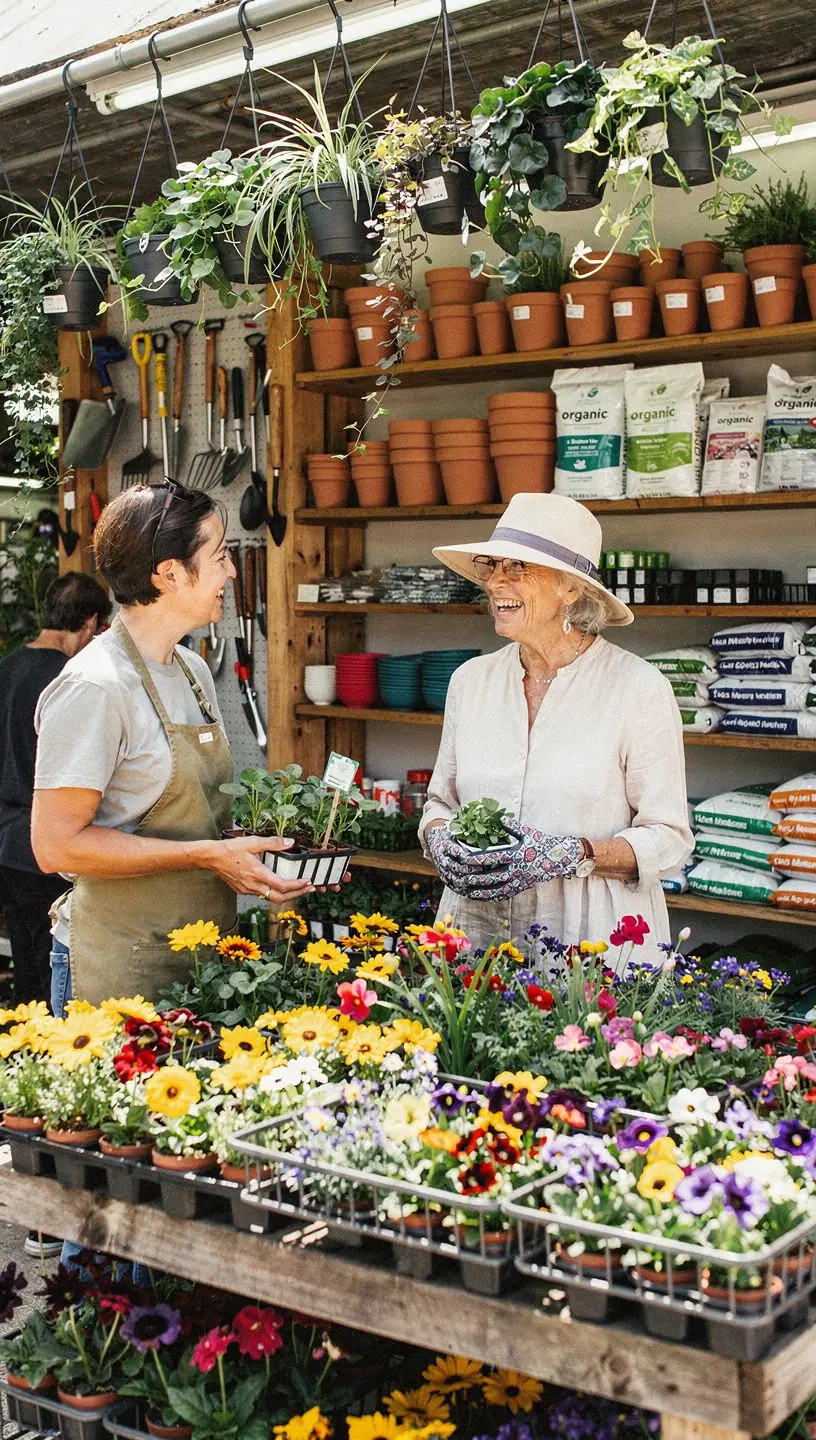
- Terracotta Pots: Known for their porous nature, terracotta pots allow for better air exchange. They can help prevent overwatering but may dry out quickly, requiring more frequent watering.
- Fabric Pots: Increasingly popular, fabric pots offer excellent drainage and aeration, promoting healthier root systems. They are typically lightweight and can be used outdoors or indoors.
- Metal Containers: While metal pots can add an attractive aesthetic, they can heat up quickly in direct sunlight, potentially harming plant roots. It's advisable to use them with caution.
Key Considerations for Container Selection
When selecting a container, consider the following factors:
- Size: The right size container should provide enough space for roots to grow. Generally, larger containers can accommodate bigger plants, which can lead to healthier growth.
- Drainage: Good drainage is crucial to prevent root rot. Ensure containers have holes at the bottom, and consider adding a layer of gravel to further improve drainage.
- Material: As mentioned, the material affects moisture retention and aeration. Choose based on your plant's specific needs and your local climate conditions.
Practical Advice for Urban Gardening
In most cases, it is beneficial to test different containers to see which works best for your plants. Many users report positive results when they tailor their container choice based on the specific plants they are growing. Here are some actionable insights:
- Start with a few different types of containers to see how your plants respond.
- Consider the temperature and light conditions in your chosen location, as this can influence the effectiveness of the container material.
- Monitor your plants regularly for signs of stress, such as wilting or yellowing leaves, which may indicate issues with the container choice.
Conclusion
Choosing the right containers for your plants is a decision that can impact their growth and vitality in significant ways. By understanding the various options available and considering factors such as size, material, and drainage, you can create an environment conducive to plant health. Remember, experimentation is key, and over time, you will discover what works best for your unique gardening situation.
Learn More