The Benefits of Hydroponic Gardening
Hydroponic gardening is becoming increasingly popular, particularly in urban settings. This method of growing plants without soil offers several advantages that can enhance your gardening experience, especially if you're limited on space or soil quality. In this article, we will explore the benefits of hydroponic gardening and what you need to know to get started.
Understanding Hydroponics
Hydroponics is a method of growing plants using mineral nutrient solutions in water, without the use of soil. According to studies, hydroponic systems can produce yields that are significantly higher than traditional farming methods. For example, a study published in the Journal of Agricultural Science indicates that hydroponic systems can increase yields by 20-30% compared to soil-based methods.
Key Benefits of Hydroponic Gardening
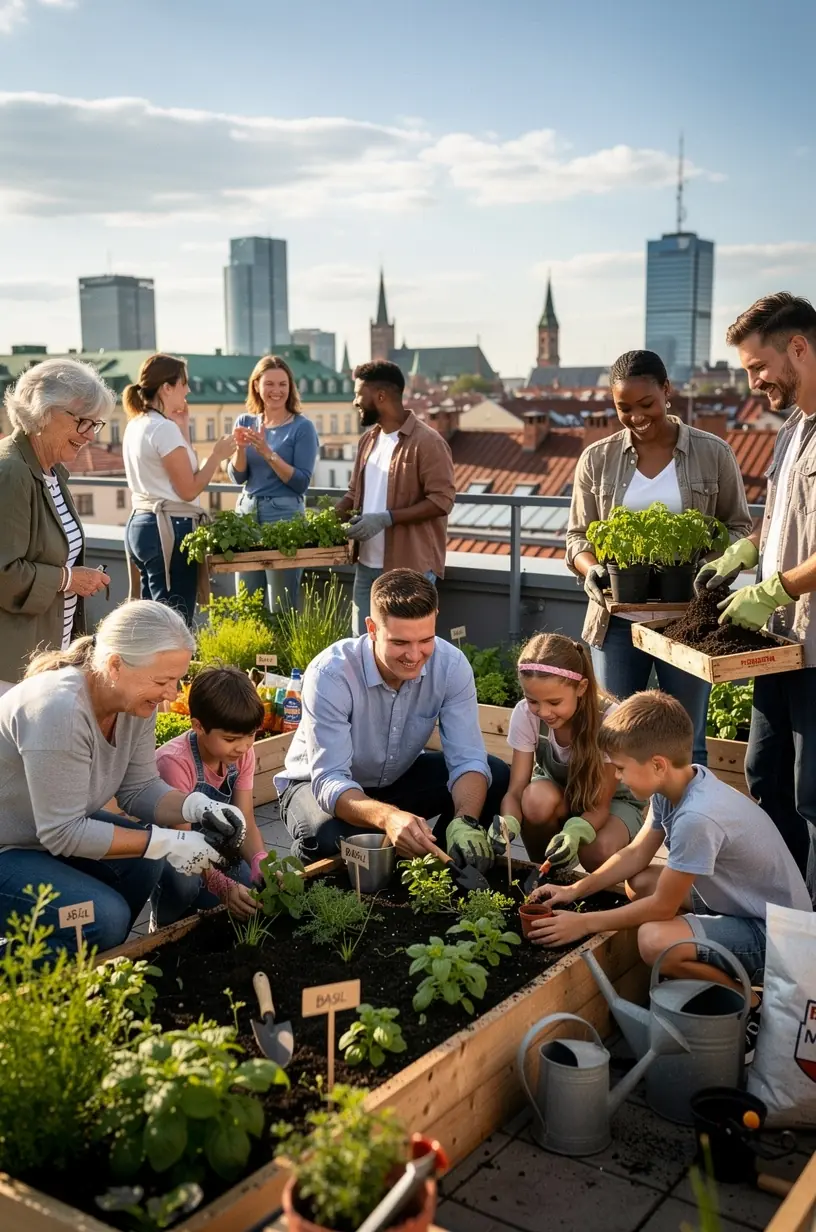
- Space Efficiency: Hydroponic systems can be set up in compact areas, making them ideal for balcony and indoor gardening. Many users report successfully growing vegetables and herbs in small spaces.
- Water Conservation: Hydroponic systems typically use up to 90% less water than traditional soil gardening. This is due to the recirculating nature of most hydroponic setups, which minimizes water waste. Experts recommend hydroponics, especially in regions where water scarcity is a concern.
- Faster Growth Rates: The nutrient-rich water environment allows plants to absorb nutrients more quickly, which can lead to faster growth. Research shows that many hydroponically grown plants can mature in as little as half the time of their soil-grown counterparts.
"Hydroponics allows for precise control over nutrient availability, which can lead to healthier plants and higher yields." - Industry Expert
Getting Started with Hydroponic Gardening
Starting a hydroponic garden requires some initial investment in equipment and materials. Here’s a brief overview of the process:
- Choose Your Hydroponic System: There are various systems available, including deep water culture, nutrient film technique, and aeroponics. Each has its pros and cons, and many users recommend starting with deep water culture for beginners.
- Gather Your Materials: Essential materials include a growing container, water pump, air pump, and nutrient solution. Local gardening centers often provide consultations to help select the right equipment.
- Set Up Your Environment: Hydroponic systems can be set up indoors or outdoors; however, they require proper lighting, typically using LED grow lights if indoors. Make sure the area has good air circulation.
Challenges to Consider
While hydroponic gardening offers many benefits, it is important to acknowledge some challenges:
- Learning Curve: Hydroponics can involve a learning curve, especially when it comes to managing nutrient levels and pH balance.
- Initial Costs: Setting up a hydroponic system may require a higher initial investment compared to traditional gardening. However, many users find that the increased efficiency and yields offset these costs over time.
- Ongoing Maintenance: Hydroponic systems require regular monitoring and maintenance, including nutrient management and system cleaning.
Conclusion
Hydroponic gardening can provide numerous benefits for urban gardeners, from improved space utilization to faster plant growth. By understanding the fundamentals and being aware of potential challenges, you can create a thriving hydroponic garden that meets your needs. Whether you are a seasoned gardener or just starting, exploring hydroponics may enhance your gardening journey.
Learn More