Materials for Sustainable Urban Gardening
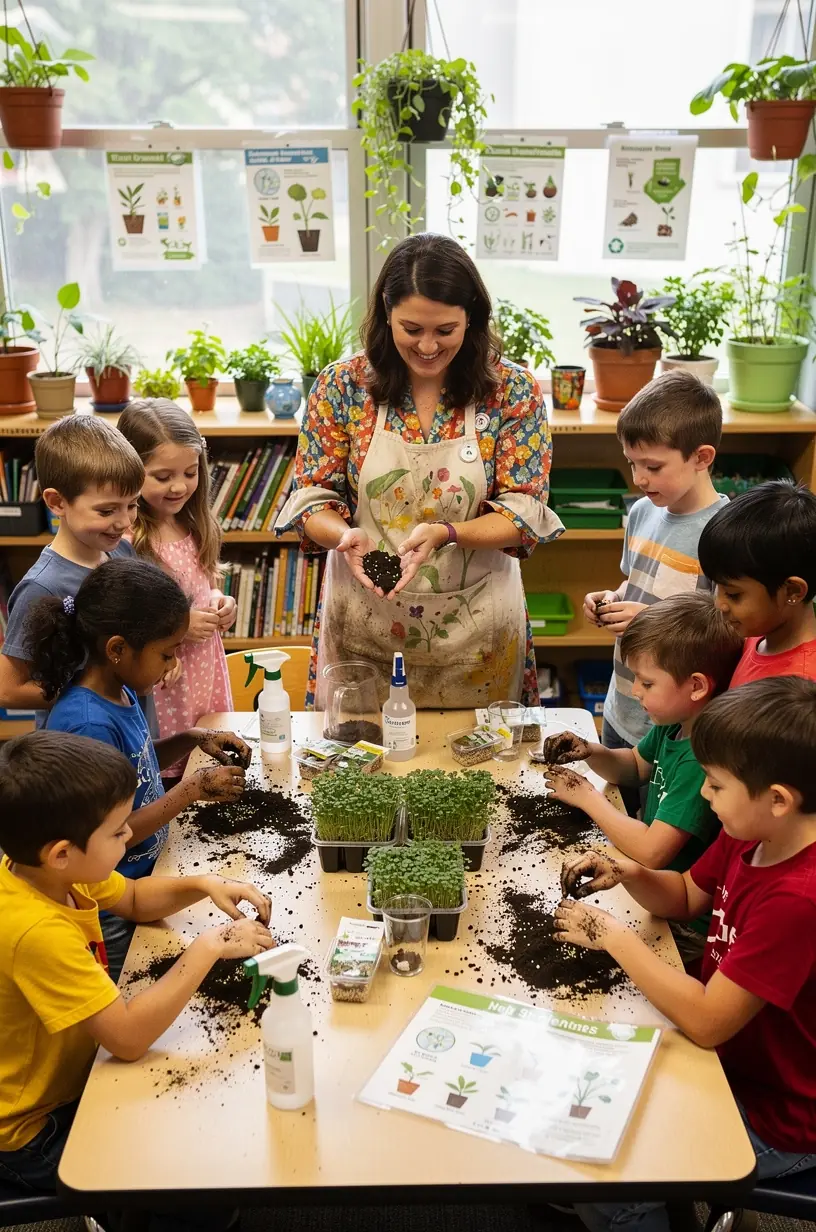
Urban gardening is an effective way to contribute to sustainability while enjoying the benefits of homegrown produce. Selecting the right materials can significantly enhance your gardening experience, whether you're setting up a balcony garden or an indoor oasis.
Understanding Sustainable Materials
Choosing sustainable materials is vital for urban gardening as it not only helps in reducing environmental impact but also promotes a healthier garden ecosystem. According to research from the United Nations Environment Programme, using sustainable materials can enhance soil health and promote biodiversity.
"The principle behind using sustainable materials is to create a garden that's beneficial not just to the gardener, but also to the local environment." - Environmental Expert
Types of Sustainable Materials
Here are some commonly used materials that can support your sustainable urban gardening efforts:
- Recycled Plastic Pots: Often made from post-consumer waste, these pots are durable and reduce landfill waste.
- Bamboo: A fast-growing grass that serves as an excellent natural alternative to plastic stakes and supports.
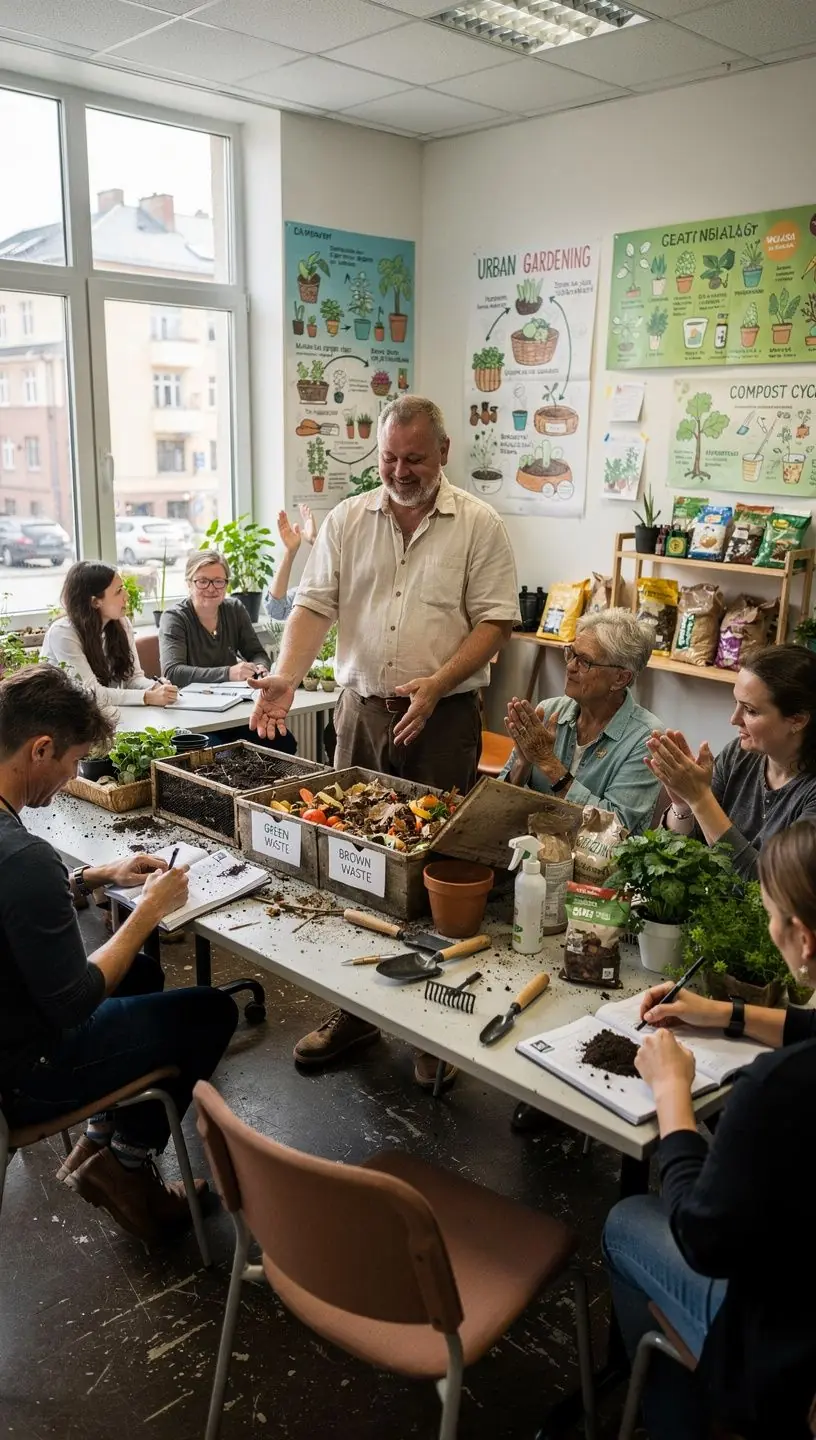
- Compost: Utilizing kitchen scraps can enrich your soil and reduce the need for chemical fertilizers.
- Natural Mulch: Using materials like straw or wood chips can help retain moisture and suppress weeds, promoting healthier plant growth.
Practical Application in Urban Gardening
To successfully incorporate these materials, you might consider the following steps:
- Evaluate Your Space: Understanding your available space and light conditions is crucial before selecting materials. Experts recommend starting small to test which plants thrive.
- Research Local Resources: Many users report finding local sources for recycled materials or community composting programs that can provide necessary inputs.
- Create a Maintenance Schedule: Sustainable gardening practices often require regular attention. Typically, you may need to commit a few hours a week to maintaining your plants.
Acknowledging Limitations
While the use of sustainable materials can improve your urban gardening experience, it's important to acknowledge certain limitations:
- Initial setup may require a greater time investment, as sourcing sustainable materials can take longer than conventional options.
- Some materials may not be readily available everywhere, which can limit your choices depending on local resources.
- Certain plants may still require additional care and attention, especially if you're gardening indoors where conditions differ from outdoor environments.
Conclusion
Investing in sustainable materials for urban gardening can significantly contribute to both the environment and your gardening success. By understanding the types of materials available and how to effectively implement them, you can create a productive and eco-friendly garden. Remember, patience and commitment are essential, as results typically take time to materialize. Embrace the journey of urban gardening, and enjoy the fruits of your labor!