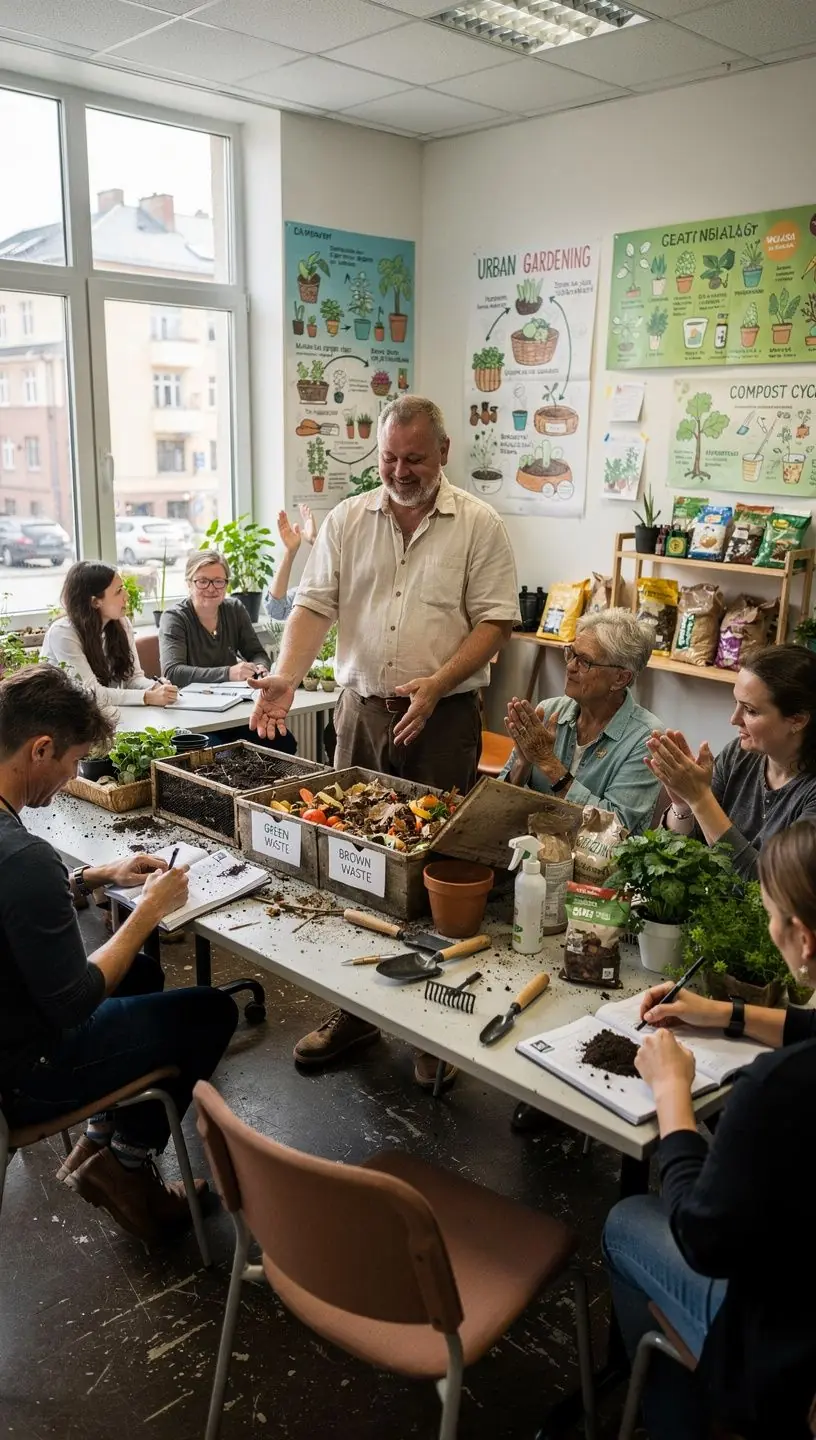
How to Create a Compost System at Home
Creating a compost system at home can significantly reduce waste and enrich your garden soil. This guide outlines the essential steps to establish an effective composting system, making the process accessible and manageable for urban gardeners, especially in Latvia.
Understanding the Basics of Composting
Composting is the natural process of recycling organic material, such as food scraps and yard waste, into a valuable fertilizer for plants. According to the Environmental Protection Agency (EPA), composting can reduce the volume of waste sent to landfills by up to 30%. This is particularly significant as many users report feeling overwhelmed by waste management in urban settings.
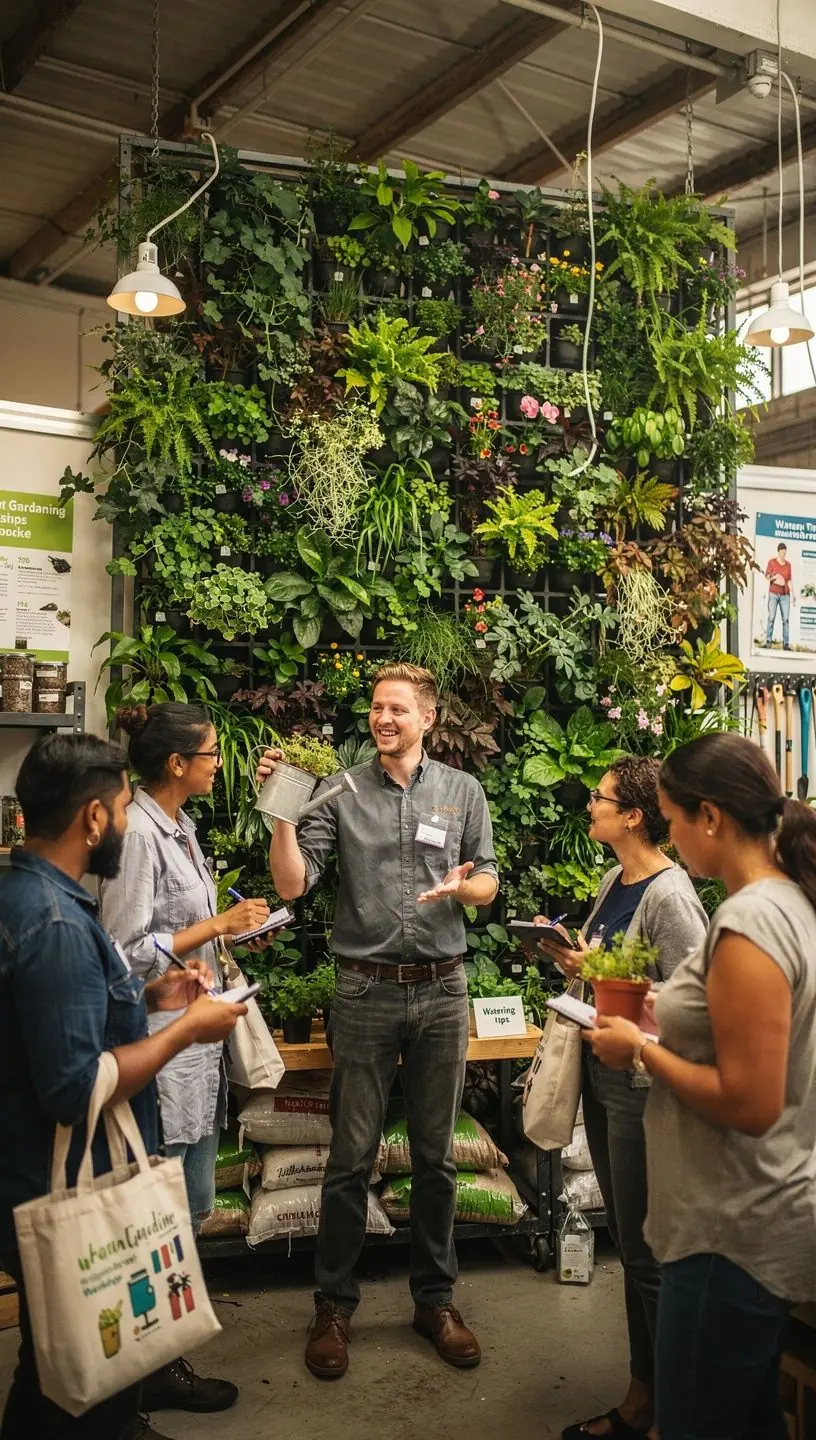
"Composting at home not only benefits the environment but can also improve your gardening success." - Gardening Expert
Choosing Your Composting Method
Before setting up your compost system, it's important to choose a method that suits your space and lifestyle. Here are some popular options:
- Bin Composting: Enclosed bins are suitable for small spaces, keeping compost contained and odor-free.
- Pile Composting: This method involves creating a pile in a corner of your yard or balcony. It requires more space but is easier to manage without a container.
- Vermicomposting: Involves using worms to break down organic matter, which is ideal for indoor setups.
Building Your Compost System
Setting up your compost system typically involves the following steps:
- Select a Location: Choose a dry, shady spot for your compost bin or pile, ideally near a water source for easy maintenance.
- Gather Materials: Aim for a mix of 'greens' (nitrogen-rich materials like fruit scraps and grass clippings) and 'browns' (carbon-rich materials like dried leaves and cardboard). Experts suggest a ratio of about 2:1 browns to greens for optimal results.
- Start Composting: Layer your materials, starting with browns at the bottom. Keep the compost moist, but not too wet—ideally around 50-60% moisture content.
- Turn the Pile: Aerate your compost every few weeks to speed up the decomposition process. This typically takes 2-4 weeks for the initial stages to show progress.
The principle behind composting is that microbes break down organic matter into nutrient-rich compost. This process works best when the right balance of greens and browns is maintained. While some users may find it challenging initially, dedication to the process can lead to fruitful results.
Maintaining Your Compost System
As you manage your compost, be mindful of the following:
- Temperature: The compost should heat up to accelerate decomposition, ideally reaching around 55-65°C (131-149°F). If it’s too cold, consider adding more greens.
- Odor Control: A well-maintained compost system should not emit unpleasant odors. If it does, it may be too wet or lack aeration.
- Pest Management: To minimize pests, avoid composting meat, dairy, or oily foods. These materials can attract unwanted animals.
Conclusion
Composting at home is a practical and environmentally friendly approach to managing organic waste. By following the outlined steps and maintaining your compost pile or bin, you can create nutrient-rich compost that enhances your urban garden. While it may require some time and effort, many users find the benefits to be worth it. With dedication, you can contribute to sustainability and improve your gardening results.
Learn More