How to Attract Pollinators to Urban Gardens
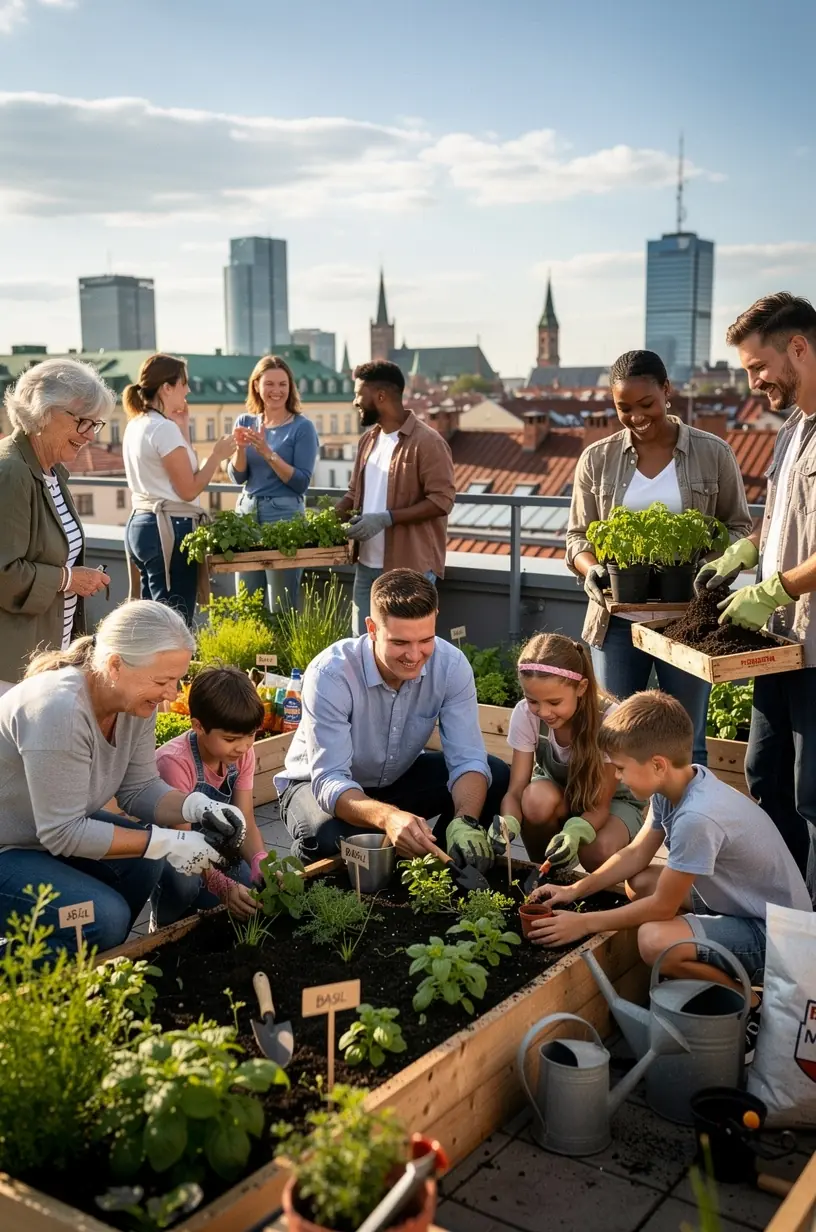
Creating a thriving urban garden is not just about planting flowers and vegetables; it also involves attracting essential pollinators. This article will explore effective strategies, supported by research and expert recommendations, to help urban gardeners in Latvia enhance their gardens' biodiversity.
Understanding Pollinators and Their Importance
Pollinators, such as bees, butterflies, and birds, play a critical role in the ecosystem. According to the Food and Agriculture Organization (FAO), about 75% of the world's food crops depend on pollinators. This means that their presence in urban gardens can significantly boost plant productivity and biodiversity.
"Pollinators are vital for food security and maintaining healthy ecosystems." - FAO
Creating a Pollinator-Friendly Environment
To attract pollinators, urban gardeners should consider the following strategies:
- Diverse Plant Selection: Incorporate a variety of plants that bloom at different times throughout the growing season. Experts recommend including native species, as they are more attractive to local pollinators. For instance, studies show that gardens with diverse flowering plants can attract up to 50% more pollinators.
- Provide Habitats: Pollinators need shelter and nesting sites. Creating small habitats, such as leaving patches of bare soil or incorporating brush piles, can support bees and other pollinators. Additionally, adding features like birdhouses can attract birds that help control pests.
- Avoid Pesticides: Many pesticides are harmful to pollinators. Research indicates that using organic pest control methods, such as introducing beneficial insects or using natural repellents, can protect pollinators while maintaining garden health.
Practical Steps to Engage with Pollinators
Implementing these strategies involves some time and effort. Here’s a practical approach:
- Plan Your Garden: Spend time researching and selecting a range of plants that are native to your area. This typically takes 1-2 weeks, allowing for thoughtful planning.
- Implement Gradually: Start by adding a few pollinator-friendly plants each season. This method allows you to observe which plants attract the most pollinators and adjust your strategy accordingly.
- Monitor and Adapt: Over time, keep track of pollinator visits. This can help you understand which plants are most effective and allow for adjustments to your garden layout.
Conclusion
Attracting pollinators to your urban garden in Latvia is a rewarding endeavor that can enhance both the beauty and productivity of your space. By diversifying plant selections, providing suitable habitats, and avoiding harmful pesticides, you can create an environment that supports these vital creatures. Results typically become noticeable within a season, as more pollinators visit your garden, leading to improved plant health and yields. Remember, the journey of creating a pollinator-friendly garden is ongoing, requiring patience and adaptability to achieve the best results.