Setting Up an Indoor Herb Garden
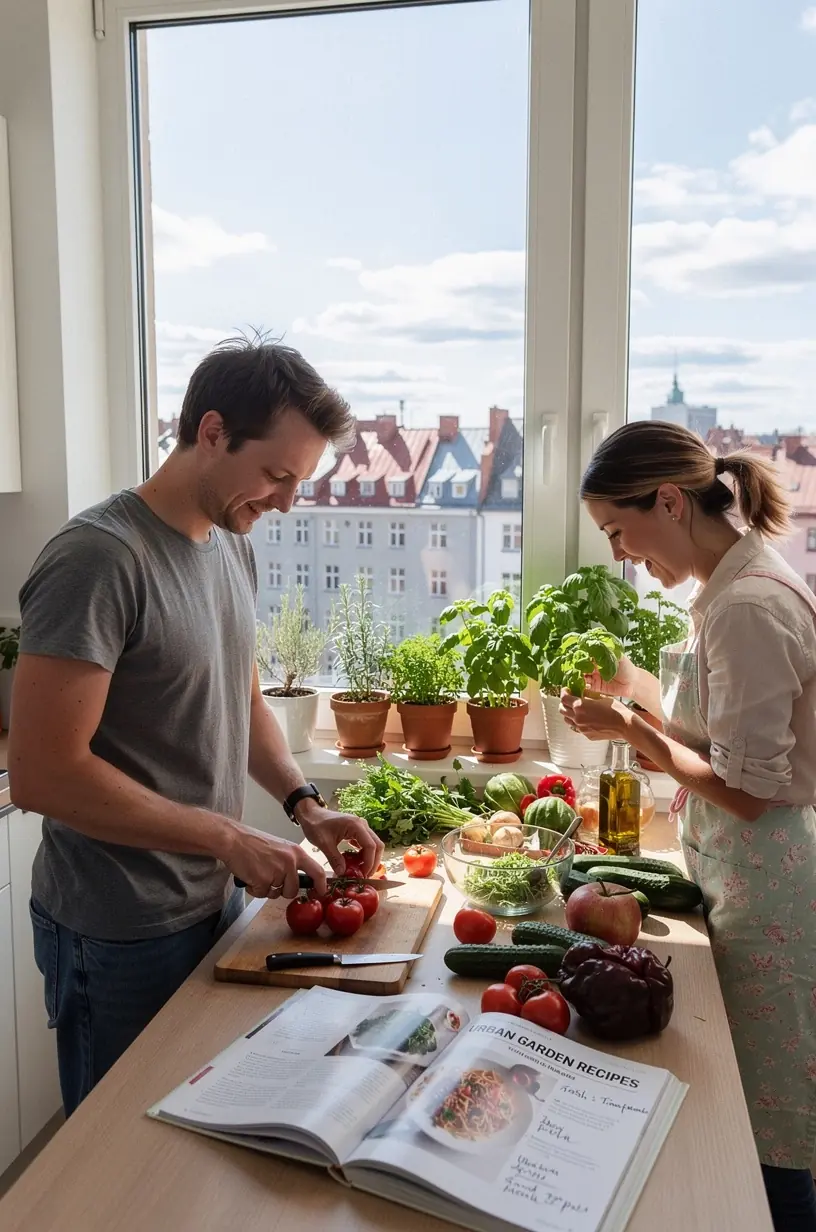
Creating an indoor herb garden can be a rewarding experience, not only adding fresh flavors to your meals but also enhancing your living space. This article will guide you through the essential steps and considerations for setting up an effective indoor herb garden that suits your needs.
Understanding the Basics
Growing herbs indoors can be a practical solution for those with limited outdoor space. According to studies, indoor gardening can enhance air quality and promote a sense of well-being. Herbs such as basil, cilantro, and parsley are often recommended for indoor gardening due to their relatively low maintenance needs and high utility in cooking.

"Research indicates that indoor plants, including herbs, can improve mood and reduce stress levels." - Horticultural Therapy Journal
Choosing the Right Space
For your indoor herb garden, select a location that receives adequate sunlight, ideally 6-8 hours per day. Many users report success with south-facing windows, but this can vary based on your geographic region, particularly in Latvia (LV), where daylight hours change seasonally.
Lighting Options
If natural light is limited, consider using grow lights. Studies show that LED grow lights can effectively supplement sunlight and are energy-efficient. When using artificial lighting, aim to keep the lights on for about 12-16 hours a day to simulate a natural environment for your herbs.
Choosing the Right Containers and Soil
Select pots that have drainage holes to prevent waterlogging, which can lead to root rot. The type of soil you choose is also crucial. A high-quality potting mix that is well-draining is often recommended. Many gardening experts suggest looking for mixes specifically formulated for herbs or vegetables.
Planting Your Herbs
When planting your herbs, be sure to follow the instructions on the seed packets or plant tags. Generally, seeds should be sown at a depth of about 2-3 times their size. For transplants, carefully remove them from their nursery containers and plant them at the same depth they were previously growing. This process typically takes 2-4 weeks before you start to see growth.
Watering and Maintenance
Herbs require consistent, but not excessive watering. The soil should be kept moist, but not soggy. A good rule of thumb is to water when the top inch of soil feels dry to the touch. Regularly checking the moisture level can help you understand your herbs' specific needs and avoid overwatering.
Pest Management
Indoor plants can still attract pests. Monitor your herbs regularly for signs of pests like aphids or spider mites. Research indicates that introducing beneficial insects, such as ladybugs, can be an effective organic method for pest control. Additionally, rinsing your herbs gently with water can help dislodge unwanted insects.
Harvesting Your Herbs
Once your herbs are established, you can begin harvesting. Experts recommend picking leaves regularly to encourage new growth. However, avoid taking more than one-third of the plant at one time to ensure its health and continued productivity. Harvesting typically starts around 4-6 weeks after planting, depending on the herb variety.
Conclusion
Setting up an indoor herb garden is a manageable project that can enhance your cooking and living environment. While it requires some effort and ongoing care, many users find it to be a fulfilling hobby that can yield fresh herbs year-round. Remember to monitor light, water, and pest conditions regularly, and you can enjoy a bountiful indoor herb garden in your home.