Creating Microclimates in Small Spaces
In urban gardening, one of the key challenges is optimizing limited space for plant growth. Creating microclimates can significantly enhance the viability of your indoor or balcony garden. This article provides practical insights into how to establish and manage these small-scale environments effectively.
Understanding Microclimates
Microclimates are localized areas where the climate differs from the surrounding environment. According to research, many gardeners can improve conditions for their plants by manipulating these small climate zones. Factors influencing microclimates include sunlight exposure, wind patterns, temperature variations, and humidity levels.
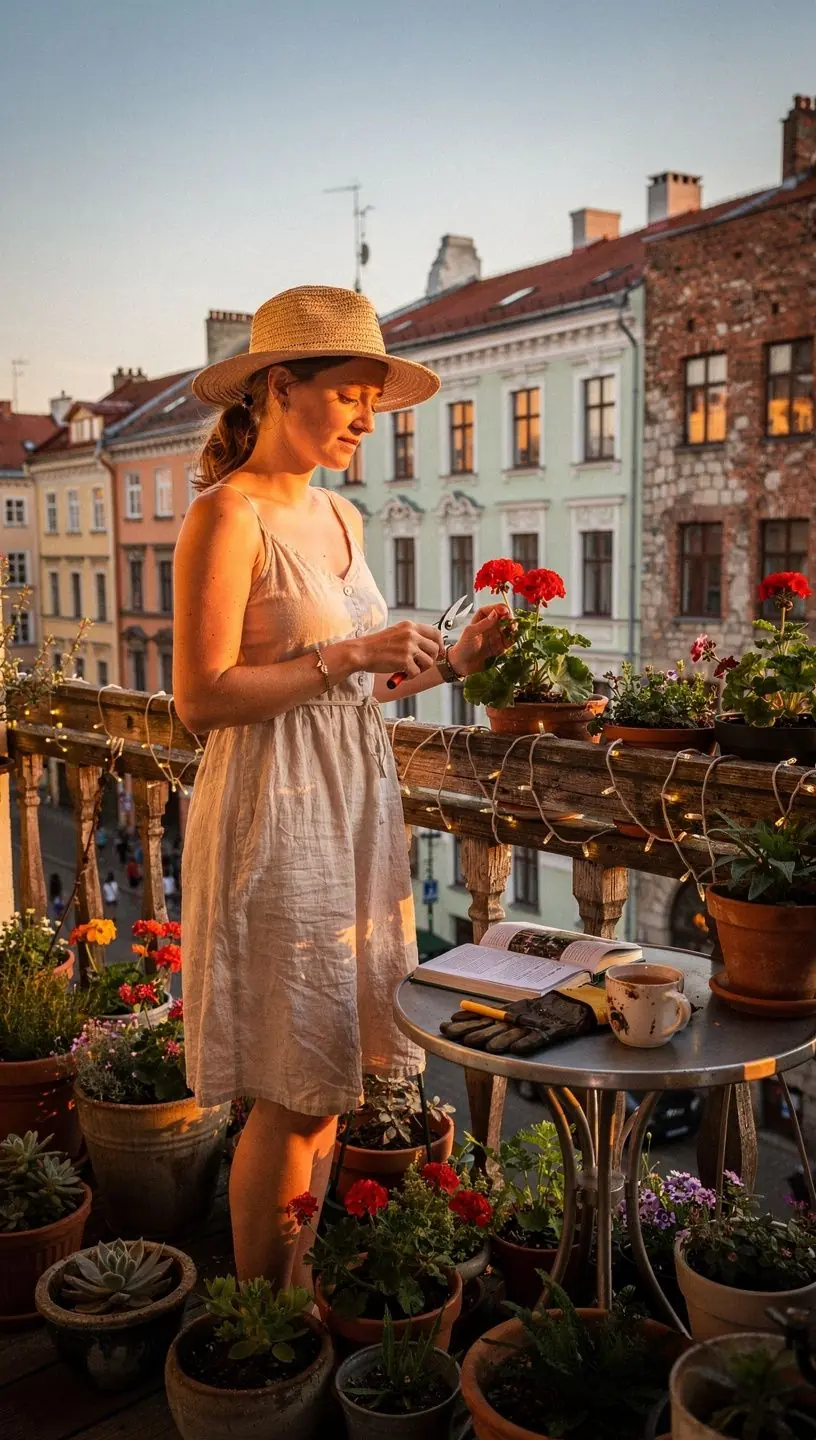
"Microclimates can be crucial in maximizing growth and yield in small gardening spaces," notes Dr. Sarah Thompson, an expert in urban horticulture.
Key Factors to Consider
To successfully create a microclimate, it is essential to understand the following elements:
- Sunlight: Positioning plants where they receive optimal sunlight can help raise temperatures and reduce humidity. For example, placing pots near walls can expose them to reflected sunlight.
- Wind Protection: Shielding plants from harsh winds can prevent moisture loss and damage. Using barriers like trellises or outdoor furniture can be effective.
- Temperature Regulation: Incorporating materials that retain heat, such as stones or bricks, can help moderate temperature fluctuations, especially at night.
Practical Steps to Create Microclimates
Implementing microclimate strategies involves specific actions that can yield noticeable benefits. Here are some practical steps to consider:
- Identify the Sunniest Spots: Observe your space throughout the day to find areas that receive the most sunlight. This typically involves a few hours of direct sunlight, which is beneficial for most herbs and vegetables.
- Use Containers Wisely: Select pots and containers that can retain heat. Darker containers, for instance, absorb more sunlight, enhancing the temperature for the plants inside.
- Group Plants by Needs: Cluster plants with similar moisture and light requirements. This helps maintain a consistent humidity level and temperature, reducing stress on individual plants.
- Experiment with Covers: Utilizing row covers or cloches can help protect plants from cold nights and enhance warmth. However, be cautious as these can also trap humidity—monitoring is key.
Acknowledging Limitations
While creating microclimates can be beneficial, it is important to recognize some limitations:
- This process can require trial and error, as environmental conditions may vary widely between different urban settings.
- Microclimates typically take time to establish; gardeners may not see immediate results, with optimal growth often manifesting over several weeks or months.
- Consideration of the existing climate is crucial; for instance, in areas with frequent heavy rainfall, creating microclimates may not resolve issues related to overwatering.
Conclusion
By understanding and implementing strategies to create microclimates, urban gardeners can significantly improve the conditions for their plants. These methods are backed by research and recommended by experts in the field. While creating these environments may involve some effort and time, the benefits of a thriving indoor or balcony garden can be well worth it. Embrace the opportunity to experiment, and enjoy the fruits of your labor!
Learn More